
Top Cities and Investment Deals for Chinese Investors in Turkey


+ Table of content
Interest among Chinese investors in Turkey is growing as the country combines a large domestic market, expanding industrial capacity, and a strategic location that links Asia with Europe and the Middle East. This interest is not limited to real estate purchases; it extends to industrial investment, logistics, energy, trade, and services, with clear differences in preferred cities depending on the sector and the investor’s objective. The practical question, therefore, is not “Do Chinese investors invest in Turkey?” but “Where do they invest specifically, and which cities offer the best balance between price, returns, and operational feasibility?” In this guide, you will explore the map of Turkey’s most attractive cities for Chinese investment, the key sectors they favor, and how to evaluate opportunities realistically before making a decision.
Why Chinese Investors Choose to Invest in Turkey
Turkey as a Regional Hub for Operations and Exports
Turkey is a suitable platform for Chinese companies seeking to shorten shipping distances to end markets, reduce reliance on a single trade corridor, and build bases closer to customers. Turkey’s proximity to Europe and easy access to Middle Eastern and North African markets enable faster distribution, especially for products whose margins are sensitive to transportation and storage costs. Operating within Turkey also supports more efficient after-sales service, maintenance, and spare-parts availability, which matters in sectors such as appliances, equipment, automotive components, and technology-related products.
Flexible Entry Through Partnerships, Acquisitions, and New Ventures
A segment of Chinese investors prefers entering through partnerships with local firms or acquiring existing factories and facilities rather than starting from scratch. This approach shortens ramp-up time and reduces establishment risk, particularly in industrial sectors. In real estate, many favor projects with integrated property management or completed units that can be rented quickly. Turkey’s city diversity offers multiple options in costs, infrastructure, labor availability, and demand, making city selection a decisive factor in overall investment success.
Where Do Chinese Investors Invest in Turkey? The Most Attractive Cities
Istanbul: The Center of Business, Real Estate, and Trade
Istanbul typically tops the list for Chinese investors because it combines the largest consumer market, strong business connectivity, and broad availability of legal and financial services. In real estate investment, Istanbul appeals to those seeking higher liquidity and easier resale, especially in areas close to transport corridors, commercial hubs, and universities. It is also well-suited for offices and retail spaces linked to economic activity. Moreover, Istanbul is the first choice for Chinese companies aiming to establish a regional headquarters or a sales office to manage distribution operations across Turkey.
Ankara: Stable Demand and Opportunities in Technology and Services
Ankara offers a market profile different from Istanbul, as demand tends to be more stable due to its institutional structure, public-sector employment, and universities. This can suit investors who prefer calmer returns in residential or mid-risk commercial real estate rather than rapid price swings. Ankara’s strong academic and technical ecosystem also supports software, engineering services, and development centers. Many investments here target corporate and institutional services and sectors that benefit from clear regulatory frameworks and structured stakeholder networks.
Izmir: Port Access, Light Industry, and Quality of Life
Izmir is attractive for investors who prioritize exports and logistics, given its coastal position and active maritime-commercial role. It also offers a high quality of life that helps retain talent, an important factor for businesses requiring stable long-term staffing. In real estate, opportunities often appear in family-oriented residential projects and areas undergoing organized urban expansion. In light-to-medium industry, packaging, consumer goods, and logistics services stand out, especially for those seeking an operational base near port access with lower costs than Istanbul.
Bursa and Kocaeli: The Industrial Core and Automotive Supply Chains
Bursa and Kocaeli are among the most important destinations for Chinese industrial investment in Turkey, particularly in automotive components, machinery, industrial materials, and supplier industries. Their advantage lies in proximity to Istanbul and the Sea of Marmara ports, which streamlines shipping and distribution and reduces transit times. Chinese companies seeking partial localization, assembly lines, or integrated supplier networks often gravitate to these cities due to established industrial ecosystems, maintenance services, and skilled labor. The most attractive “deals” here are typically industrial land, ready factories, warehouses, and partnership opportunities with existing plants.
Tekirdağ and Sakarya: Smart Industrial Expansion at Lower Costs
Tekirdağ and Sakarya have emerged as practical options for companies that want closeness to Istanbul without bearing Istanbul’s higher costs. They offer larger expansion space and organized industrial zones, making them suitable for storage, assembly, logistics services, and select light industries. The underlying logic is a smart balance between land and construction costs and access to Turkey’s largest market. As a result, interest rises in opportunities involving ready warehouses or expandable plots, particularly for firms planning phased growth rather than large upfront commitments.
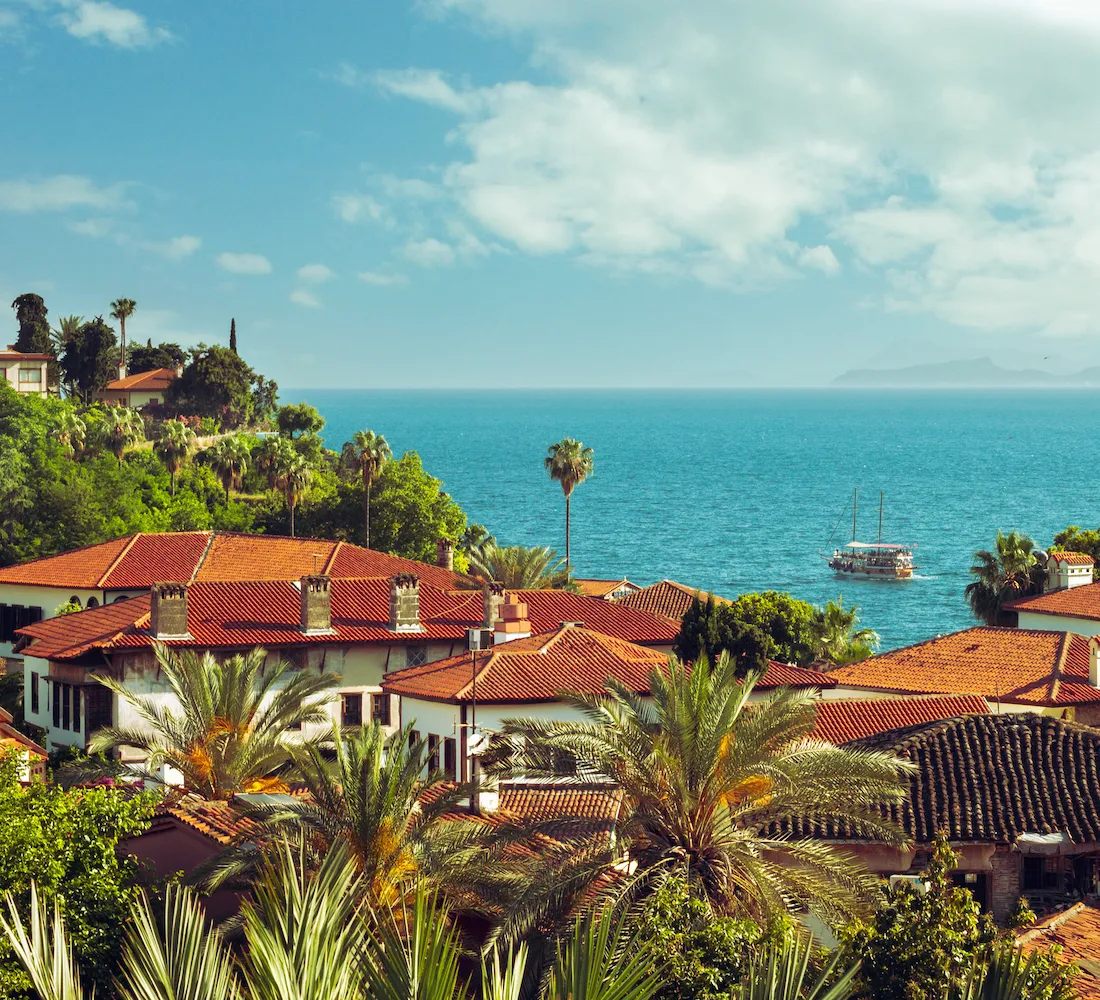
Antalya and Muğla: Tourism Real Estate and Seasonal Operations
Chinese investment in tourism-focused cities such as Antalya and Muğla tends to favor real estate tied to seasonal rentals, serviced apartments, or projects offering operational management. These cities suit investors targeting tourism income or secondary homes with rental potential. However, success requires realistic understanding of seasonality and operational expenses, as returns vary significantly between peak months and the rest of the year. The “best offers” are commonly in projects close to services, beaches, and tourism arteries, or within compounds providing professional management that reduces the owner’s operational burden.
Mersin and Gaziantep: Trade and Exports Toward the Region
Mersin is a key logistics gateway thanks to its port and its role in southern and eastern shipping routes, making it suitable for distribution centers, warehouses, and export-oriented businesses. Gaziantep is known for strong trade and multi-sector industrial activity and is considered a strategic point for serving regional markets with consumer goods or light manufacturing. In these cities, opportunities often focus on warehousing, logistics services, export-linked manufacturing, and partnerships with local traders who already operate established distribution networks.
Key Sectors Chinese Investors Focus on in Turkey
Real Estate Investment: Residential, Commercial, and Managed Projects
Real estate remains a relevant option but is far from uniform. Some Chinese investors target rental-ready apartments in major cities, while others focus on commercial assets such as offices and shops, or on projects that include operational management to simplify leasing and oversight. Real estate success depends on precise factors such as real demand strength, construction quality, management fees, and resale potential. The most associated cities with this pattern are often Istanbul, Izmir, and Antalya, though the goal differs between long-term housing demand, tourism operations, and commercial investment.
Industry and Assembly: Localizing Parts of the Value Chain
Chinese industrial investment in Turkey is often tied to building production or assembly capacity closer to markets or meeting growing local demand. This is why the Marmara region—Bursa, Kocaeli, Sakarya, and Tekirdağ—stands out due to established industrial infrastructure and supporting services. Companies enter through assembly plants, component production, industrial supply, or contract manufacturing partnerships. The decisive factor is choosing locations close to suppliers, road networks, and ports, while assessing energy, labor, and service costs, then building a phased expansion plan to reduce risk.
Logistics, Trade, and Distribution
As domestic commerce and exports expand, investment in warehouses and distribution centers becomes more important. Cities near ports and highway corridors offer a strong competitive advantage, particularly for companies that require fast delivery and lower shipping costs. This is why strong opportunities appear in Istanbul and its wider area, Izmir, and Mersin, along with supportive industrial cities. This sector suits investors who prefer an operational model based on inventory turnover and goods movement rather than waiting solely for the appreciation of a fixed asset.
How to Evaluate the Best City and the Best Investment Deal
Practical Criteria Before Making a Decision
To choose the right city, connect the investment to a clear objective: Are you seeking stable rental income, asset appreciation, manufacturing operations, or a distribution hub? Each objective points to a different “best city.” Then assess infrastructure: proximity to highways, ports, and airports; labor and service availability; licensing feasibility; and demand stability. In real estate, monitor average rents, vacancy rates, and management fees. In industry, examine operating costs and supply chain risks. Finally, define a realistic exit plan—resale, equity transfer, or use conversion—to maintain flexibility.
- Before buying property or entering a project, calculate total cost, not just purchase price, including management fees, maintenance, taxes, and operating expenses
- Compare at least three areas within the same city, as corridors and micro-locations can drastically shift demand
- Validate real demand for rent or products using market signals and on-the-ground commercial reality, not marketing promises
- Build a conservative return scenario and a realistic one to reduce surprises, then decide based on your risk tolerance
- Conduct legal and financial due diligence on the asset or business, ensuring ownership clarity, permits, and disclosed liabilities
Common Mistakes That Reduce Returns
A common mistake is being drawn to a cheap offer in a low-demand area, or buying property with inflated return expectations without accounting for yearly expenses and maintenance. In industrial investment, some choose distant land purely for lower price, then pay higher transport and operating costs later. Another mistake is entering partnerships without reviewing a company’s financials, liabilities, and contract commitments. Smart investment relies on numbers and operational capacity, not general sentiment or informal advice.
- Do not rely on “guaranteed return” claims without understanding sources, conditions, and real operating costs
- Avoid projects with unclear management plans, especially tourism real estate that requires professional operation
- Do not ignore liquidity: some areas may be cheap but difficult to sell when you need to exit
- Be cautious about buying property before verifying legal status, permits, and potential restrictions
- Do not start with a large investment before testing the market through a smaller pilot phase if the sector is operations-heavy
Frequently Asked Questions
+
What is the top city Chinese investors prefer for investment in Turkey ?
Most often Istanbul, as it combines real estate, services, trade, and strong liquidity, though it is not ideal for every sector.
+
Which cities are best for Chinese industrial investment ?
Bursa, Kocaeli, Sakarya, Tekirdağ, and the broader Marmara region, due to dense industrial clusters, port proximity, and integrated supply chains.
+
Is real estate the most common investment for Chinese investors ?
It is common, but interest is also expanding in industry, logistics, and distribution, especially for investors targeting operations and exports.
+
How can I identify a good real estate deal for rental income ?
By checking actual demand, average rents, maintenance fees, and proximity to transport and services, then comparing competing offers in the same area.
+
Are tourism cities suitable for long-term investment ?
Yes, if operational management is clear and seasonality and costs are properly assessed, as returns can be high but more volatile.
Conclusion
Chinese investments in Turkey follow a practical map shaped by sector and objective: Istanbul leads in business, real estate, and trade; Izmir stands out for exports and quality of life; Ankara offers stability and technology-oriented opportunities; while Bursa, Kocaeli, and the Marmara region form the most attractive industrial core for assembly and supply chains. In the south, Mersin and Gaziantep serve as strong points for regional distribution and trade, while tourism cities lean toward seasonal operational models that require careful management. The best decision is not based on a city name alone, but on evaluating the deal through clear financial and operational criteria and linking the investment to a defined objective and exit plan for sustainable, lower-risk returns over the medium and long term.

 15-03-2024
 10,472
 24-12-2025
 3,848
 05-03-2025
 7,574